UK Autumn Budget 2026: Opportunities, challenges and implications for the Energy Storage sector
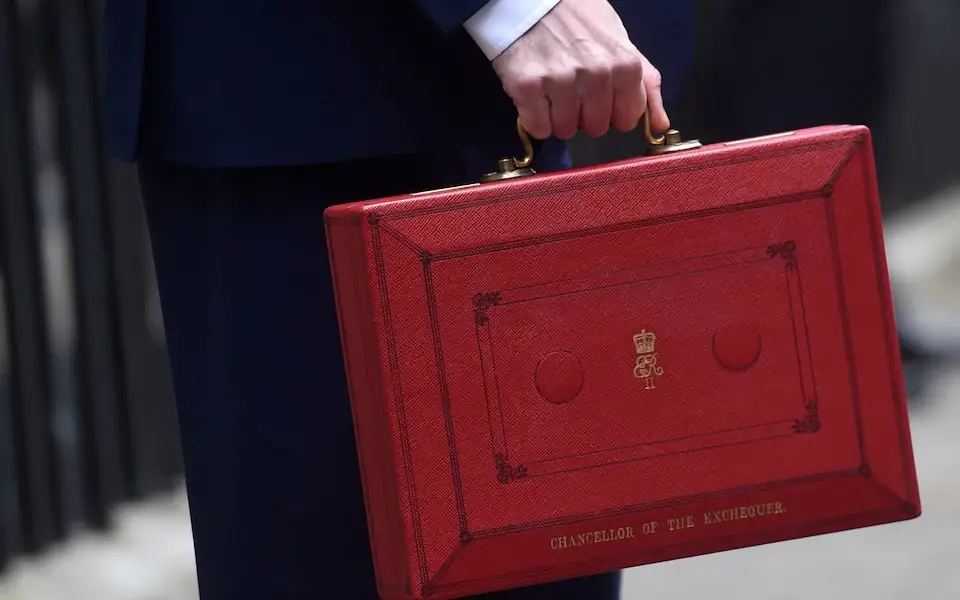
Chancellor John Healey’s first budget showed that tackling high energy costs is a clear priority. Many of the energy measures announced in the budget will speed electrification and are to be welcomed. Some will reduce costs without necessarily affecting decarbonisation and some will in fact slow down progress. So what are the key takeaways?
Top announcements for storage
Probably the most important news for storage in fact landed yesterday. The long-awaited Warm Homes Loan Scheme has gone live. Ten lenders are now participating, with the government subsidising finance costs to deliver an up-to-5% reduction in interest rates. This means some of the loans will be completely interest free, with repayment periods of up to thirty years. Consumers can borrow up to £15,000 for a home battery, £15,000 for solar panels and £10-35,000 for a heat pump, dependent on the technology. To ensure consumer confidence in the scheme, all installations must take place through MCS-certified installers.
The budget also announces £2bn in funding for a new Energy Wealth Fund dedicated to clean energy projects, and an additional £15bn capitalisation for the National Wealth Fund. Energy storage, battery manufacturing and hydrogen are high-priority areas for the NWF, so these two announcements could represent significantly expanded investment opportunities.
Less positive is the news that the VAT relief on battery products has not been extended, and will end on March 31st 2027. The Chancellor’s announcements on homebuilding also included the intention not to make any major changes to building regulations before the end of this parliament – suggesting batteries are very unlikely to be added to the Future Homes Standard before 2030.
Finally, there is tantalising evidence that decision-making may get somewhat quicker and simpler. The government will review accountability across the energy system – setting clearer expectations for the roles, responsibilities, priorities and outcomes of the National Energy System Operator (NESO), Ofgem and the Department for Energy Security and Net Zero (DESNZ). While not a storage specific measure, this could be a huge boon for engagement on issues from connections reform to the SSES programme.
Announcements that will speed decarbonisation
Three in particular have grabbed headlines. The VAT cut on domestic electricity has been extended through to July and gas standing charges will be scrapped in 2027 – or “as soon as possible” after that. To support business customers, it’s been confirmed that the British Industrial Competitiveness Scheme will cut electricity bills by up to 25% for 10,000 energy intensive businesses from April 2027. All three of these will provide a welcome reduction in energy bills for many, while reducing the spark gap between electricity and gas prices – even if the first measure is strictly time limited. Several interesting announcements which point in a similar direction did not make the headlines, however.
At the Spending Review next year, a strict Cost Control Framework for energy costs will be introduced, setting budgets for each segment of an energy bill including policy costs. No new policy costs will be added to bills until that framework is in place. In fact, the main rate of the Climate Change Levy on electricity will be frozen until April 2028, meaning small real terms savings on bills. Whilst these are not commitments to move policy costs into general taxation as many have argued for, this certainly suggests movement in that direction may be coming next year. The government is also taking steps to explore allowing drivers to use their domestic electricity tariff at local, low powered public charging points. This is a welcome step towards tackling the gap in charging costs between those with home EV chargers and those without, though it will take time to implement. In the meantime £100 million has been allocated to reducing costs for lower-powered public charge-points.
On CfDs, the Chancellor has signalled that new generation will be procured only where it lowers bills, benefits the system, and can be accommodated by the grid. This signals a more cautious tone ahead of AR8, perhaps even indicating that contracts will be contingent on the state of the relevant transmission projects. He has also published a consultation on the Wholesale CfDs first announced by Ed Miliband earlier this year. Government has the aim of moving older renewable generation onto such contracts from wholesale pricing, thereby contributing to squeezing gas out of the merit order stack. These measures should have a positive impact on electricity prices, and thereby electrification – how much remains to be seen – even if they do not speed progress towards Clean Power 2030.
Announcements that will not
A major announcement was a £2.6 billion support package for 20 million households across council tax bands A-D, amounting to a £100 energy bill discount per household. This provides welcome relief to a broad spectrum of households, though it is relatively neutral in its contribution to the energy transition.
The Gas Shipper Obligation – a proposed tax on gas bills to pay for new hydrogen projects – has been scrapped, with hydrogen project funding absorbed into general taxation. While it increases the spark gap, this policy at least maintains the more progressive funding model of taxation rather than bills. An extension to the 5p-per-litre cut in fuel duty until July is a missed opportunity to reduce the spark gap with no such upside. Less welcome are measures that will actively slow down progress.
DESNZ has suffered a number of cuts to support the Defence Investment Plan. £1 billion is cut from the Warm Homes Plan, £500 million is cut from hydrogen projects, £200 million from CCUS and a total of £200 million from GBE and GBE-N. The Boiler Upgrade Scheme is maintained at the current annual funding level of £400 million a year, instead of steadily escalating every year up to 2030. While this will be a relief for the sector compared to threats of complete defunding, it is still a total cut of over £700 million over the next four years. Such significant cuts are unfortunate to see, as the Iran War continues to demonstrate the urgency of ending our dependency on volatile fossil fuel markets.
While this budget contains a number of disappointments and missed opportunities for the industry, there is no doubt that it is positive overall for the energy storage sector and the UK’s decarbonisation in general. Facing huge pressure to reduce overall government spending, reduce energy bills and find significant resources to fund the governments Defence Investment Plan, John Healey has nevertheless pressed forward with a number of measures to reduce the spark gap, get low carbon technologies into homes and invest in the UK’s net zero sector.
Through our work on individual policy responses and developing positions through our members working groups the Energy Storage Association will continue to represent our members and work with Government for the upcoming “Spending Review” and press for improvements in regulation and greater recognition of the complete benefits of energy storage from avoidance of grid improvements through to flexibility of supply and demand.
29th October 2026